After a car accident, the absence of pain does not mean the absence of injury. The force of a collision can strain
the neck and spine, jolt the brain, and damage internal tissue, while adrenaline temporarily dulls warning
signs.
Many Oklahoma drivers leave an accident believing they are unhurt, only to develop headaches, neck stiffness,
dizziness, or other symptoms days later. Injuries such as whiplash, concussions, and internal bleeding often surface
after the initial shock fades.
Seeing a doctor soon after a crash protects your health and documents your injuries while the connection to the
accident is clear. Waiting to seek care can allow injuries to worsen and gives insurance companies reasons to
question whether the collision caused your condition.
If you were injured in a crash in Oklahoma City, Tulsa, or elsewhere in the state, contact an Oklahoma car accident lawyer at Carr & Carr Injury Attorneys for a free consultation.
Adrenaline and shock often mask injury symptoms for hours or even days after a collision,
making an immediate medical evaluation necessary for uncovering hidden damage.
Medical records created shortly after your accident serve as important evidence linking your injuries to the
crash, which strengthens any future injury claim.
Oklahoma law generally gives car accident victims two years from the date of the collision to file a personal
injury lawsuit, but delaying medical treatment can undermine a claim by making it more difficult to prove the
accident caused the injuries.
Following your doctor’s treatment plan demonstrates that you are taking your injuries seriously, which matters
when negotiating with insurance adjusters.
An Oklahoma car accident lawyer handles the legal process so you may focus on healing rather than fighting
insurance companies.
Hidden Injuries That May Not Appear Right Away
Many injuries from car accidents aren’t immediately apparent. Experienced Oklahoma car accident lawyers often
recommend that victims seek medical attention even if they feel fine.
Adrenaline can delay symptoms, allowing serious conditions to develop hours or days after a collision. Common
delayed injuries include whiplash and other soft tissue damage, traumatic brain injuries, internal bleeding, and
psychological trauma.
Whiplash from rear-end collisions can cause neck pain, stiffness, headaches, dizziness, and blurred vision that
may not appear for 24 to 72 hours and can become chronic without treatment. Brain injuries, including
concussions, may initially go unnoticed before causing memory problems, mood changes, confusion, or persistent
headaches.
Blunt force trauma can also damage internal organs without visible bruising; symptoms such as abdominal pain,
dizziness, fainting, or deep torso bruising require immediate medical attention. Many accident victims also
experience anxiety, depression, or post-traumatic stress disorder, which Oklahoma law recognizes as compensable
injuries when properly documented.
What to Expect During Your Medical Evaluation
Understanding what to expect during a medical evaluation can ease anxiety and help you clearly communicate your
symptoms. A thorough evaluation protects your health and creates the documentation your Oklahoma car accident lawyer
needs.
Your physician will likely review the circumstances of the accident, including the speed and direction of impact,
whether airbags deployed, and whether you lost consciousness. Be honest and thorough when describing what happened
and how you feel. Even minor aches or discomfort matter because they might indicate underlying damage.
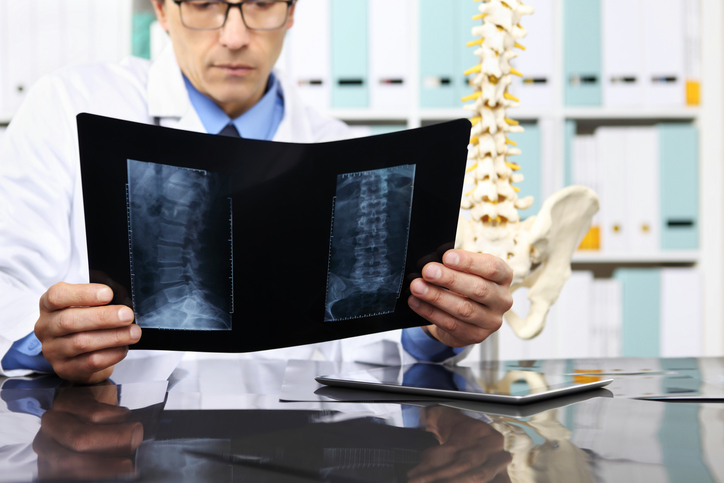
Depending on your symptoms, the doctor might order diagnostic imaging such as X-rays, CT scans, or MRIs. These tests
reveal fractures, soft tissue injuries, internal bleeding, and brain abnormalities that are not visible during a
physical examination. Keep copies of all test results, doctor’s notes, and discharge instructions for your records.
Common symptoms and tests your doctor may evaluate include:
Neck pain, stiffness, and limited range of motion suggesting whiplash or cervical spine injury
Headaches, confusion, or memory lapses indicating possible concussion or traumatic brain injury
Abdominal tenderness, bruising, or referred shoulder pain signaling internal organ damage
Numbness, tingling, or weakness in the extremities pointing to nerve damage or spinal cord issues
Each of these findings becomes part of your medical record, which your attorney uses to demonstrate the severity and
cause of your injuries during settlement negotiations or at trial.
Why Following Your Treatment Plan Strengthens Your Car Accident Claim
Receiving a diagnosis is only the first step. Adhering to your doctor’s recommended treatment plan demonstrates that
you are taking your recovery seriously and helps prevent insurance adjusters from minimizing your injuries.
Attend All Follow-Up Appointments
Skipping appointments creates gaps in your medical records. Insurance companies interpret these gaps as evidence that
your injuries are not serious or that you have recovered. Even if you feel better, attend every scheduled follow-up
so your doctor may monitor your progress and document your ongoing condition.
Complete Prescribed Therapies
Physical therapy, occupational therapy, and other rehabilitative treatments require time and commitment. Completing
these programs shows that you are doing everything possible to recover. Quitting therapy early gives adjusters
ammunition to argue that you did not need the treatment in the first place.
Keep Detailed Records
Maintaining organized documentation throughout your recovery supports a stronger car accident
claim. Your Oklahoma car
accident lawyer relies on this information to calculate your full damages.
Records you need to keep include:
Medical bills, explanation of benefits statements, and receipts for prescriptions and medical equipment
Pay stubs or employment records showing lost wages and missed work days
Mileage logs for trips to doctor appointments, therapy sessions, and pharmacy visits
A personal journal documenting daily pain levels, limitations, and how injuries affect your routine
This documentation allows your attorney to accurately calculate the full value of your claim, including out-of-pocket
expenses and pain and suffering.
Oklahoma Statute of Limitations and Filing Deadlines
Oklahoma law establishes strict deadlines for filing personal injury lawsuits. Under Oklahoma Statute §12-95, you generally have
two years from the date of the accident to file a lawsuit against the at-fault driver. Missing this deadline
typically means losing your right to pursue compensation through the courts.
Exceptions That May Extend or Shorten Your Deadline
Certain circumstances may change this timeline. If the injured person is a minor, the two-year period generally does
not begin until their 18th birthday. If the at-fault driver leaves Oklahoma before a lawsuit is filed, the statute
of limitations may pause until they return.
Claims against government entities, such as accidents involving city buses or state vehicles, follow a different and
shorter timeline under the Oklahoma Governmental
Tort Claims Act. You typically have only one year to provide formal written notice of your claim, and
failure to meet this deadline can bar recovery, even before a lawsuit is filed.
Acting Quickly Protects Your Oklahoma Car Accident Case
Evidence disappears over time. Witnesses forget details, surveillance footage gets deleted, and vehicle damage gets
repaired.
Starting the claims process early allows your Oklahoma car accident lawyer to preserve evidence, interview witnesses
while memories are fresh, and build the strongest possible case on your behalf.
How Insurance Companies Handle Oklahoma Car Accident Claims
Oklahoma is a fault-based insurance state, meaning the at-fault driver’s liability
insurance pays for the other party’s damages. All Oklahoma drivers must carry minimum liability
coverage of $25,000 per person for bodily injury, $50,000 per accident for bodily injury, and $25,000 for property
damage.
Understanding how insurers operate helps you avoid common pitfalls that reduce the value of your claim. Insurance
adjusters are trained to protect their company’s bottom line. They often contact accident victims quickly, sometimes
within days of the collision.
Although adjusters may appear friendly and helpful, their primary goal is to gather information that reduces the
value of your claim. Recorded statements, casual admissions like saying you feel fine, or accepting a quick
settlement offer before understanding the full extent of your injuries all work against you.
Declining to give recorded statements without first speaking to an attorney
Avoiding any discussion of fault, apologies, or speculation about what caused the accident
Referring all communications to your Oklahoma car accident lawyer once you have retained one
Rejecting settlement offers until your doctor confirms you have reached maximum medical improvement
Quick settlement offers rarely account for future medical expenses, lost earning capacity, or long-term pain and
suffering. Once you accept a settlement, you forfeit the right to seek additional compensation, even if your
condition worsens.
Types of Compensation Available in Oklahoma Car Accident Cases
Oklahoma law allows car accident victims to pursue both economic and non-economic damages. The specific compensation
available depends on the facts of your case, the severity of your injuries, and the evidence supporting your claim.
Economic Damages in Oklahoma Car Accident Claims
These damages cover measurable financial losses directly resulting from the accident. Medical expenses top the list,
including emergency room visits, hospital stays, surgeries, medications, physical therapy, and future treatment
costs. Lost wages compensate you for income missed while recovering, and lost earning capacity addresses long-term
impacts on your ability to work.
Property damage covers the cost of repairing or replacing your vehicle. Out-of-pocket expenses, such as hiring help
for household tasks you cannot perform or modifying your home for a disability, also fall into this category.
Non-Economic Damages for Pain and Suffering in Oklahoma
Not all losses come with a receipt. Non-economic damages compensate for pain and suffering, emotional distress,
loss of enjoyment of
life, and the impact of disfigurement or permanent disability. These damages recognize that an
accident changes more than your finances.
How Comparative Fault Affects Your Recovery in Oklahoma
Oklahoma follows a modified comparative negligence rule. You may still recover compensation if you share some
responsibility for the accident, but your award is reduced by your percentage of fault.
However, if your fault equals or exceeds 50 percent, you are barred from recovering anything. An Oklahoma car
accident lawyer presents evidence that minimizes your share of responsibility and protects your right to fair
compensation.
How an Oklahoma Car Accident Lawyer at Carr & Carr Helps Injured Victims
Since 1973, Carr & Carr Injury Attorneys has represented individuals and families across Oklahoma who were
injured due to another party’s negligence. What began as a father and son practice has grown into a multi-generation
firm with offices in Oklahoma City and Tulsa. We focus on helping injured Oklahomans pursue compensation through
careful case preparation and steady advocacy.
Local Knowledge of Oklahoma Roads and Courts
An Oklahoma personal injury lawyer at Carr & Carr Injury Attorneys understands how claims are handled in local courts. Our firm has worked on cases involving I-35, I-40, I-235, Highway 44, and roadways throughout communities such as Broken Arrow and Norman. This experience helps our team factor in local traffic conditions and court procedures when building a case.
When you hire Carr & Carr Injury Attorneys, we handle insurance communications, gather medical records and police
reports, and consult with accident reconstruction professionals when needed. Our team
prepares each case for settlement
discussions or trial. Our firm works on a contingency fee basis, with no upfront costs and no legal fees unless
compensation is recovered.
Why Medical Documentation Matters to Your Oklahoma Car Accident Claim
Insurance companies often question claims when there are delays or gaps in medical treatment. Waiting to see a doctor
may give adjusters grounds to argue that injuries are unrelated to the crash or less serious. Carr & Carr Injury
Attorneys works with medical providers to document injuries clearly and maintain records that support your claim for
compensation.
FAQs for Oklahoma Car Accident Lawyers
Do I need to see a doctor if I feel fine after a car accident?
Yes. Adrenaline and shock often mask injury symptoms immediately after a collision. Conditions like whiplash, internal bleeding, and traumatic brain injuries frequently show no symptoms for hours or days. A medical evaluation creates documentation of your physical condition and uncovers injuries that might otherwise go undiagnosed until they become more serious.
How soon after a car accident in Oklahoma should I see a doctor?
Seek medical attention within 24 to 72 hours if you do not go directly from the accident scene. The sooner you see a doctor, the easier it is to connect your injuries to the collision. Delays give insurance companies room to argue that your injuries happened after the accident or are unrelated.
What if I do not have health insurance after my Oklahoma car accident?
Some medical providers treat car accident patients on a lien basis, meaning they agree to wait for payment until your case settles. Your Oklahoma car accident lawyer may help you find providers willing to work within this arrangement so that lack of insurance does not prevent you from getting necessary treatment.
How long do I have to file a car accident lawsuit in Oklahoma?
Under Oklahoma Statute §12-95, you generally have two years from the date of the accident to file a personal injury lawsuit. Different deadlines apply in certain situations, such as claims involving minors or government entities. Consulting an attorney promptly helps protect your right to compensation.
What happens if I am partially at fault for my Oklahoma car accident?
Oklahoma’s modified comparative negligence rule allows you to recover damages even if you share some blame, as long as your fault does not equal or exceed 50 percent. Your compensation is reduced proportionally by your percentage of fault. An experienced Oklahoma car accident lawyer helps present evidence that minimizes your share of responsibility.
Take Action by Contacting an Oklahoma Car Accident Lawyer Today
Your health and your legal rights depend on the decisions you make in the days following a collision. Seeing a doctor
promptly uncovers hidden injuries and creates the medical documentation that forms the foundation of a strong injury
claim. Delaying treatment gives insurance companies reasons to question the severity of your injuries and the
connection between those injuries and the accident.
If another driver’s negligence caused your injuries, you do not have to navigate the legal process alone. Contact Carr & Carr
today to discuss your
case and learn how an Oklahoma car accident lawyer protects your right to pursue fair compensation.